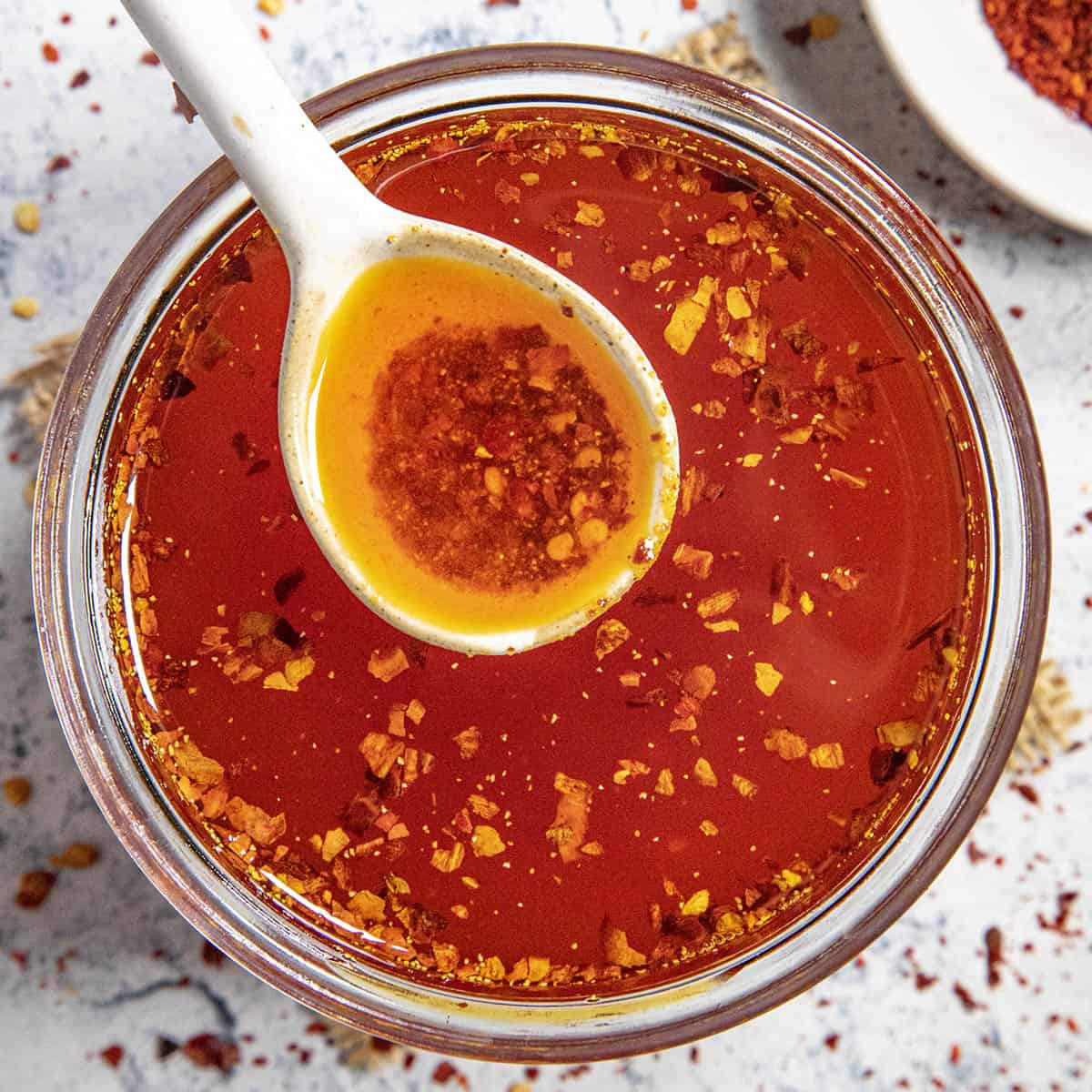
Easy Homemade Chili Oil: Restaurant-Quality Flavor From Scratch
Imagine elevating your everyday meals with a fiery, aromatic condiment that boasts depth, complexity, and a satisfying warmth. What if we told you that this culinary secret isn’t hidden in a gourmet store, but rather within your own kitchen, crafted from simple ingredients you likely already possess? Learning
how to make chili oil from scratch is not only surprisingly easy but also incredibly rewarding, opening up a world of flavor that far surpasses any store-bought alternative. Forget bland, one-note heat – prepare to create a restaurant-quality chili oil that’s vibrant, customizable, and utterly addictive.
Why Homemade Chili Oil Reigns Supreme
Many wonder if the effort of making chili oil at home is truly worth it when bottles line supermarket shelves. The answer, unequivocally, is yes. As recipe developer Juliana Hale rightly puts it, "There is no reason to buy chili oil... It’s so easy to make – and you will use it more than you might think!" The truth is, homemade chili oil triumphs over commercial versions in every single aspect, from taste to transparency. For a deeper dive, check out why
Homemade Chili Oil Wins: Better Taste, Cheaper Than Store-Bought.
*
Unrivaled Freshness: When you make chili oil at home, you’re toasting your own spices just before infusion. This process releases volatile aromatic compounds that are often lost during the extended shelf life and mass production of commercial brands. The result is a fresher, more potent aroma and taste experience.
*
Superior Flavor Complexity: Store-bought chili oils often rely on cheap soybean oil and added stabilizers to achieve consistency. They sacrifice nuance and depth for uniformity. Your homemade batch, however, allows you to select quality ingredients and achieve a layered heat profile – one that builds gradually with toasted aromatics, rather than a flat, aggressive burn. The infusion process extracts capsaicin, essential oils, and vibrant color from dried chilis, creating a condiment fundamentally different and richer than just a simple hot sauce.
*
Complete Ingredient Control: Tired of deciphering labels filled with preservatives, artificial flavorings, and cheap filler oils? Making your own chili oil empowers you to know exactly what goes into it. You choose the oil, the quality of your spices, and avoid any unwanted additives.
*
Cost-Effectiveness: While premium store-bought brands like Lao Gan Ma offer decent quality, they come at a significant price. A single batch of homemade chili oil typically costs a fraction of these premium options and yields a generous amount (1 to 1.5 cups), making it a budget-friendly gourmet upgrade.
The Secret to Success: Temperature Control
When learning
how to make chili oil, one truth often overlooked is that
temperature controls everything. Getting the oil temperature just right is the absolute key to unlocking that layered heat, beautifully toasted aromatics, and restaurant-level depth that defines truly exceptional chili oil. This precision is what transforms simple ingredients into a magical condiment in under 30 minutes. To truly master this aspect, explore
Master Chili Oil: Unlock Layered Flavor with Perfect Oil Temperature.
The magic happens during the infusion. When hot oil is poured over dried chili peppers and aromatics, it carefully extracts the capsaicin for heat, the essential oils for aroma, and the natural colors from the chilis. If the oil is too cool, it won't extract enough flavor or heat. If it's too hot, it will scorch the spices, resulting in a bitter, burnt taste and a dark, unappetizing color. The goal is to gently toast and infuse, not fry.
The ideal temperature range for your neutral oil is between
225°F and 250°F (110°C to 120°C). This range is hot enough to extract robust flavors but gentle enough to prevent burning. You’ll know the oil is ready when a few flakes of crushed red pepper sizzle gently upon contact. A reliable kitchen thermometer is highly recommended for accuracy, ensuring perfect results every time.
Crafting Your Own Restaurant-Quality Chili Oil: A Step-by-Step Guide
Ready to embark on your culinary journey and discover
how to make chili oil that will revolutionize your cooking? This simple yet incredibly flavorful recipe focuses on creating a classic Sichuan-style chili oil, celebrated for its complex warmth and aromatic depth.
What You’ll Need: The Essential Ingredients
The beauty of this recipe lies in its simplicity. You'll likely find most of these ingredients already in your pantry.
*
3 tablespoons Crushed Red Pepper: This is the fiery heart of your chili oil. Use good quality flakes for the best flavor and color extraction.
*
1 whole Cinnamon Stick: Lends a subtle, warm sweetness and an exotic aroma that beautifully complements the heat.
*
1 whole Star Anise: A cornerstone of many Asian spice blends, star anise provides a distinct licorice-like, warm, and spicy note.
*
1 teaspoon Szechuan Peppercorns, crushed: These unique peppercorns are essential for the characteristic "mala" (numbing-spicy) sensation found in Sichuan cuisine, adding an earthy, complex depth.
*
1/2 teaspoon Granulated Garlic: While fresh garlic is potent, granulated garlic infuses a consistent, mellow garlic flavor without the risk of burning and turning bitter.
*
1 cup Neutral Oil: The base for your infusion. Opt for oils with a high smoke point and mild flavor, such as peanut, vegetable, or canola oil. Avoid olive oil, as its distinct flavor can overpower the delicate spices.
Equipment:
* A heatproof bowl (ceramic or stainless steel is ideal)
* A small saucepan
* A kitchen thermometer (highly recommended for precision)
* A fine mesh sieve (optional, for straining)
* An airtight container or jar for storage
The Process:
Follow these steps carefully to achieve a chili oil that's bursting with flavor:
1.
Gather All Ingredients: Ensure everything is measured and ready before you begin. Having your crushed Szechuan peppercorns and other dry spices prepped makes the process seamless.
2.
Combine Aromatics in a Bowl: In your chosen heatproof bowl, combine the crushed red pepper, cinnamon stick, star anise, crushed Szechuan peppercorns, and granulated garlic. Give them a quick stir to mix evenly.
3.
Heat the Oil: Pour the neutral oil into a small saucepan. Place it over medium heat. Carefully monitor the temperature using your kitchen thermometer. You're aiming for a temperature between
225°F to 250°F (110°C to 120°C). This usually takes about 3 to 4 minutes. A good test: drop a tiny pinch of crushed red pepper into the oil; it should sizzle gently, not aggressively smoke or burn.
4.
Infuse the Spices: Once the oil reaches the target temperature, *immediately* and carefully pour the hot oil over the spices in your heatproof bowl. You’ll hear a satisfying sizzle as the oil begins to extract the vibrant flavors and aromas. Stir gently to ensure all spices are submerged.
5.
Cool and Mellow: Let the chili oil stand undisturbed until it has cooled completely to room temperature. This can take about 1 hour or more. During this time, the spices will continue to infuse, deepening the oil's flavor and color.
6.
Strain (Optional): For a cleaner, sediment-free chili oil, you can strain out the whole spices (cinnamon stick, star anise, and Szechuan peppercorns) and even some of the chili flakes using a fine mesh sieve. Some prefer to leave everything in for maximum flavor and texture, especially if using the chili oil as a condiment where the crispy bits are appreciated. If straining, make sure to press down on the solids to extract every last drop of flavorful oil.
7.
Store Properly: Transfer your glorious homemade chili oil into a clean, airtight jar or container. Label it with the date. Store it in the refrigerator, where it will keep for up to 6 months. For best results and to prevent contamination, always use clean utensils when serving your chili oil.
Customization and Regional Inspirations
Once you've mastered this foundational recipe for
how to make chili oil, you can begin to experiment!
*
Adjusting Heat: Easily modify the intensity by increasing or decreasing the amount of crushed red pepper. For a milder oil, you can also use a blend of mild and hot chili flakes.
*
Flavor Enhancements: Feel free to add other aromatics to the dry spice blend. A bay leaf, a few slices of dried ginger, or even a couple of dried orange peels can introduce intriguing new dimensions.
*
Regional Styles: The world of chili oil is vast and varied. This recipe leans towards a Sichuan-style profile with its use of Szechuan peppercorns, star anise, and cinnamon. Explore other traditions:
*
Korean-inspired: Use Gochugaru (Korean chili flakes), fresh garlic, and ginger for a sweeter, smoky, and fruity heat.
*
Southeast Asian: Incorporate fresh lemongrass, shallots, and a splash of soy sauce or black vinegar for a tangy, aromatic brightness.
Unleashing Your Homemade Chili Oil: Serving Suggestions
Now that you know
how to make chili oil, the real fun begins: enjoying it! This versatile condiment is not just for Asian cuisine; its rich flavor profile can enhance a myriad of dishes.
*
Noodle Dishes: Drizzle generously over Dan Dan noodles, ramen, lo mein, or even a simple bowl of instant noodles for an instant upgrade.
*
Dumplings & Wontons: Serve as a dipping sauce, either straight or mixed with soy sauce, black vinegar, and a touch of sesame oil.
*
Eggs: A dollop on scrambled eggs, fried eggs, or an omelet adds a sophisticated kick.
*
Stir-fries: Finish off your stir-fried vegetables or meats with a swirl of chili oil for extra depth and heat.
*
Marinades: Incorporate into marinades for chicken, tofu, or pork to infuse a wonderful spicy aroma.
*
Pizza & Pasta: A surprisingly delicious addition to pizza or tossed into pasta dishes for a unique twist.
*
Roasted Vegetables: Toss roasted broccoli, cauliflower, or potatoes with chili oil for a flavorful side dish.
*
Soups & Stews: Swirl into hearty soups or stews for an extra layer of warmth and spice.
*
Avocado Toast: Elevate your breakfast or snack with a drizzle over creamy avocado toast.
Conclusion
Learning
how to make chili oil is a truly rewarding endeavor that promises to elevate your home cooking to new heights. By understanding the simple steps, controlling the oil temperature, and selecting quality ingredients, you can effortlessly create a vibrant, complex, and deeply flavorful condiment that will put any store-bought version to shame. This homemade elixir isn't just about adding heat; it's about introducing layers of aroma, warmth, and a restaurant-quality depth that transforms ordinary meals into extraordinary culinary experiences. So, gather your spices, heat your oil, and prepare to embark on a delicious journey – your pantry, and your taste buds, will thank you.